How to Choose a Desert Safari Dubai Experience That Fits You
A desert trip can be a calm evening in the dunes, a packed adventure day, or something in between. The right choice depends on how you like to travel, how much time you have, and what you want to remember afterward. Start with the experience itself, then work through the practical details. That order keeps the decision clear and avoids paying for extras you will not use.
Decide what kind of day you want
First, set the mood. Some trips are built around high-energy driving, quick stops, and a long list of activities. Others give more space to the desert, with slower moments for photos, quiet views, and a relaxed meal. A good desert safari dubai option should match your energy level, not the other way around.
Think about who is coming. A group of friends may enjoy dune bashing and sandboarding. A family with younger children may prefer a gentler route, clearer timing, and more shade. Older travellers may value comfortable seating and fewer stops that require climbing in and out of vehicles. Write down the top two priorities before comparing anything else, because that makes trade-offs easier to judge.
Also decide whether sunset matters. The light changes quickly in the desert, and sunset photography is often a reason people choose an evening outing. If that is important, ask how the route and stops are planned around the light. A trip that arrives late may still be enjoyable, but the best photo window can be missed.
Check the route and the activities included
Once the mood is clear, look at what the outing actually includes. Route details matter because not every desert drive feels the same. Some paths are rougher, with steep dunes and sharp turns. Others use easier terrain and focus on views. If you are unsure, ask whether the drive is suitable for children, anyone prone to motion sickness, or guests who prefer a smoother ride.
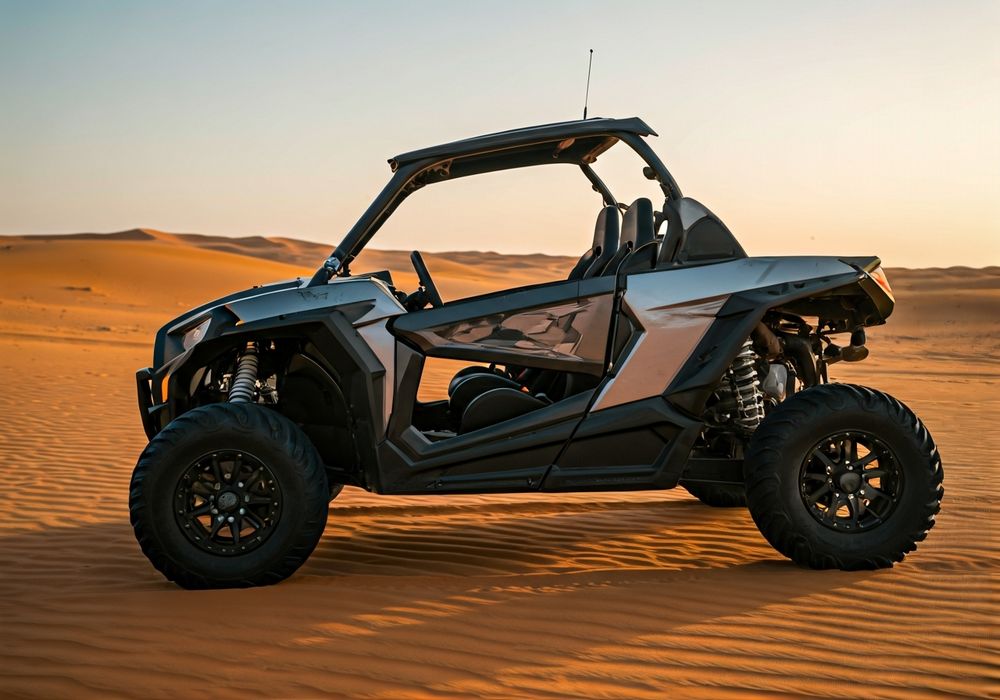
Activities should be judged by use, not by count. Camel riding gives a classic desert image and works best when the pace is unhurried. A falconry display can add a cultural element, while henna painting suits guests who like a small hands-on experience. An Arabian dinner turns the trip into a full evening rather than a short outing. If the day is packed with too many stops, the experience may feel rushed.
Watch for vague wording. A listing that says entertainment or desert activities without naming them may be fine, but it leaves room for surprises. Clear descriptions are easier to compare. They also help you spot filler. If a long activity list has little time for the desert itself, the trip may be more about the camp than the landscape.
Basic comfort deserves attention too. Check whether water is included, whether there are proper toilets at any stop, and whether the vehicle has air conditioning. These points sound ordinary, but they shape the whole trip in warm weather. If the plan includes a meal, look for a clear description of the dining setup and whether dietary needs can be handled in advance.
Compare timing with your wider schedule
Timing is the next filter. Desert trips often run around sunrise, late afternoon, or evening, and each option feels different. A morning outing tends to be cooler and quieter. An evening outing suits people who want dinner and a full social atmosphere. A sunset trip sits between the two and often gives the strongest visual reward.
Read the start and end times carefully. Do not only look at the start time. The return time affects dinner plans, hotel transfers, and how late you are out. If you have an early flight or a booked restaurant afterward, choose a shorter option or leave a generous gap.
Pickup and drop-off arrangements also matter. Confirm where the vehicle meets you and whether the return point is the same. If your hotel is outside the usual pickup area, ask before committing. The name cameldesertsafaridubai.com may appear while you research, but the practical question remains the same: does the timing fit your plans without turning the day into a race?
Read the inclusions and exclusions line by line
After timing, move to the fine print. This is where a good-looking choice can become less appealing. Look at what is included, what costs extra, and what depends on weather or group size. A clear listing helps you compare like with like. A vague one makes budgeting harder.
Pay attention to these points:
- Whether drinks, meals, and activity tickets are part of the main package.
- Whether hotel pickup and drop-off are included or arranged separately.
- Whether the route is private or shared with other guests.
- Whether photos, videos, or special experiences carry an added charge.
- Whether there is a stated plan if weather changes.
Shared trips can feel lively and may suit solo travellers or small groups. Private trips give more control over pace and stops, which helps when travelling with children or a mixed group. Neither is automatically better. The right pick depends on whether you value company, privacy, flexibility, or a predictable schedule.
Cancellation terms deserve a careful read as well. Plans in the desert can be affected by conditions, and a fair policy should explain what happens if a trip is changed. Keep written details of what was agreed, especially when requests are made for dietary needs, seating, or a slower drive.
Check safety standards and personal limits
Now look at safety. Dune driving can be thrilling, but it can also be uncomfortable for people who get motion sick. If the route includes fast driving on uneven sand, ask how the driver handles guests who feel unwell and whether a gentler option is available. Anyone with back problems, neck issues, or pregnancy should take extra care before choosing a rough ride.
Seat belts, vehicle condition, and driver conduct are worth checking before departure. If anything feels poorly organised at the start, raise it then rather than waiting until the trip is underway. For activities such as sandboarding or camel riding, listen to the instructions and follow them closely. Keep hands, feet, and loose items clear of moving equipment and animals.
Dress for the setting. Light, breathable clothing works well in warm conditions, and closed shoes are more practical than flip-flops for sand. Sunglasses, sun protection, and a small bag for essentials are useful. A light layer can help after sunset when the temperature drops. If you take a camera, carry it in a way that keeps it secure during bumpy sections.
It is also wise to keep expectations realistic. Wildlife sightings are never guaranteed, and desert wildlife should be observed without feeding, chasing, or disturbing it. The best approach is to treat the desert as a place to visit respectfully, not a backdrop to control.
Weigh reviews against your own priorities
Reviews can help, but they need context. One person may praise a fast drive while another sees the same drive as too rough. Look for repeated comments about punctuality, clarity, comfort, food, and how the activities were run. Repeated patterns tell you more than a single glowing or unhappy report.
When comparing options, keep your original priorities in view. If sunset photography mattered most, a review praising the dinner is useful but not decisive. If a smooth ride mattered most, repeated mentions of aggressive driving should carry more weight. This keeps you from being pulled toward features that sound impressive but do not improve your trip.
Use the same method when a name such as cameldesertsafaridubai.com comes up during research. Note what is clearly stated, compare it against your priorities, and leave anything unclear as a question to ask before booking. A choice feels much easier once the unknowns are reduced.
Make the final choice with a simple test
Before you book, run one last check. Pick the option that answers four questions cleanly: does it suit the group, does it fit the schedule, are the inclusions clear, and does the pace feel right? If one answer is weak, pause and compare again. A slightly simpler trip with clear terms is often better than a crowded itinerary that leaves no room to enjoy the desert.
Once the choice is made, save the booking details, note the meeting point, and keep a copy of the agreed inclusions. Share the plan with everyone in the group, especially the timing and dress code. A little preparation before the day helps the experience run smoothly and lets the desert itself be the highlight.